





We have officially hit a wall with the smartphone. For nearly a decade, annual hardware upgrades have felt uninspired: a fractionally faster processor, a slightly brighter screen, or a third camera lens packed onto the back of a glass rectangle. The form factor that redefined the 21st century has plateaued.
The real excitement in consumer hardware has broken free from the glass slab in your pocket and migrated onto your body.
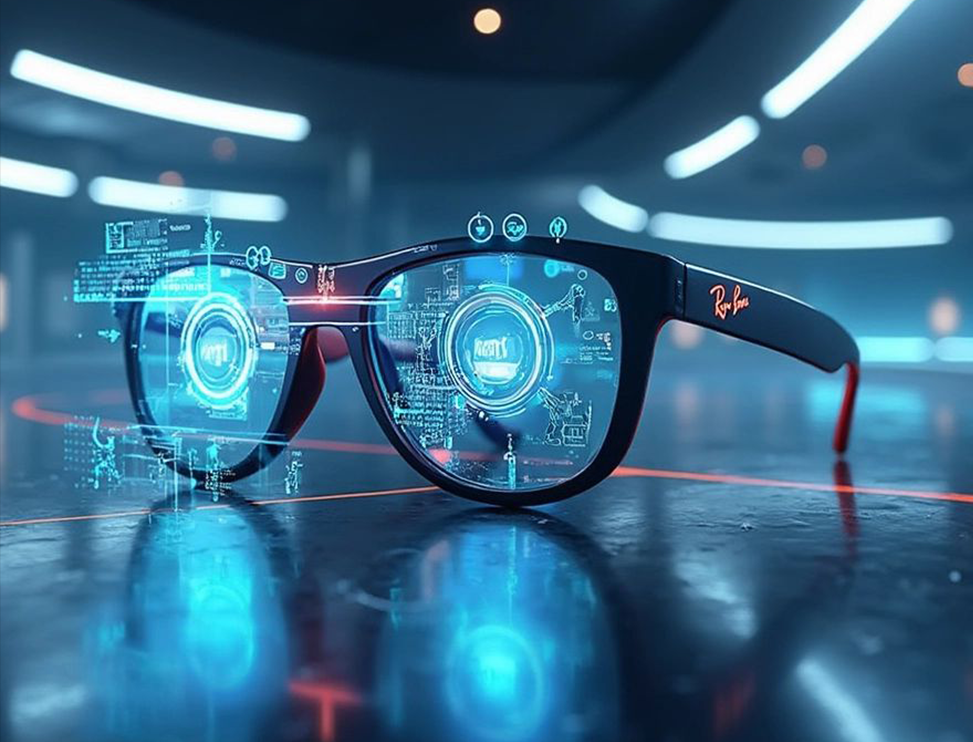
The next frontier of personal computing belongs to ambient tech—specifically lightweight smart glasses and electronic textiles (e-textiles). We are transitioning away from a world where we constantly look down at a screen, moving toward an environment where digital information seamlessly weaves directly into our physical reality.
Hands-Free Ambient Computing
Smart glasses are rapidly outgrowing the clumsy, heavy, “tech-prototype” designs of the past. Driven by massive breakthroughs in microLED display panels and directional bone-conduction audio, tech companies are successfully stuffing immense processing power into classic, everyday eyewear frames.
The core objective of these devices is to provide contextual data right when you need it, without forcing you to disengage from your immediate surroundings.
Instead of pulling out your phone, unlocking it, and looking down at a map app while walking through a crowded terminal, your smart glasses gently overlay a glowing navigation path directly onto the floor in front of you. When you browse the grocery store, your smart lenses detect the item you are looking at and float your digital grocery list or matching recipe ideas right next to the physical shelf.
It keeps your hands free, your head up, and your focus on the world around you.
Smart Fabrics and Connected Textiles
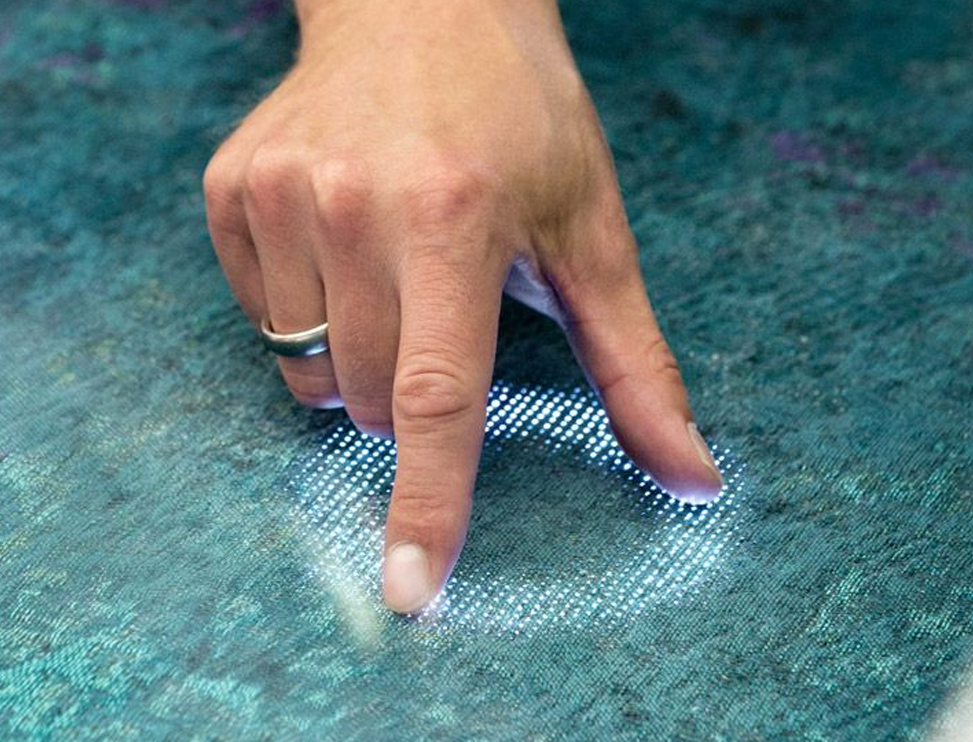
The wearable expansion doesn’t stop at your eyes. The clothes you wear are becoming active computing components. By spinning microscopic conductive metal threads directly into natural yarn like cotton and wool, designers are creating smart fabrics that double as digital interfaces.
[Traditional Wearables] -> Rigid plastic sensors strapped to your wrist.
[E-Textiles]            -> Flexible, conductive threads woven invisibly into your actual clothes.
Instead of a rigid smartwatch strapped tightly to your arm to track your health, your actual undershirt can monitor heart rate variability, respiration rates, and muscle tension with hospital-grade accuracy.
Furthermore, these smart textiles turn your clothing into a discrete input pad. Imagine answering a phone call by simply tapping your jacket cuff, or adjusting your music volume by sliding your finger down your shirt sleeve. Tech is shedding its metallic shell and becoming soft, flexible, and completely invisible.
The Power of Offline, On-Device AI
The fundamental breakthrough allowing this ambient hardware explosion to take place isn’t actually battery chemistry—it’s silicon efficiency.
Wearable form factors cannot afford to constantly stream raw video and audio feeds up to an expensive cloud server. Doing so drains the device’s battery within an hour and creates a noticeable delay (latency) that ruins the augmented reality illusion.
To solve this, advanced wearables run specialized neural network processing units (NPUs) locally on the device. These custom microchips allow the hardware to execute heavy AI tasks completely offline.
Your smart glasses can run object recognition, live transcription, and sign translation natively inside the frame without needing an active internet connection. By processing data locally, the device protects your absolute privacy while consuming a fraction of the power required by old-school mobile tech.
The image is created by AI.



Leave a comment