






For the past couple of years, using artificial intelligence felt like playing a game of digital catch: you ask a question, and a chatbot throws back a response. But standard chatbots require you to do all the heavy lifting of planning and clicking. Enter Agentic AI—a shift from AI that simply “thinks and talks” to AI that “acts.”
What Makes an AI “Agent” Different?
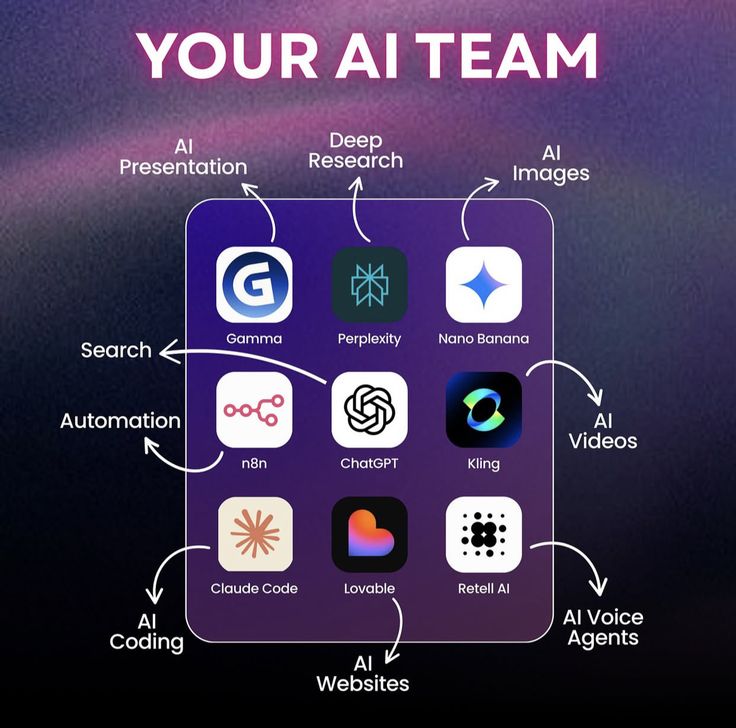
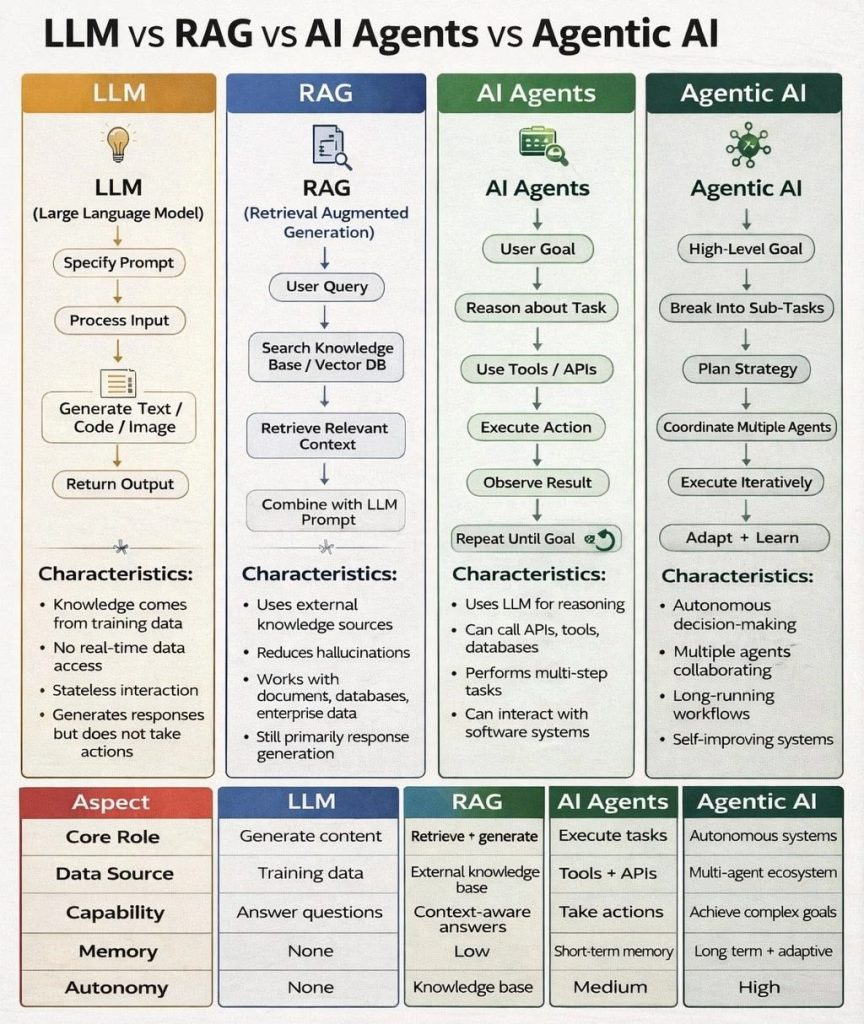
To understand why this is a quantum leap forward, look at how regular Large Language Models (LLMs) operate. Standard AI is inherently reactive. It uses complex probability to predict the next best word in a sentence based strictly on your prompt. The moment it finishes outputting that text, its process terminates entirely. It has no memory of its goals beyond the chat window and cannot interact with the outside world.
An AI Agent, by contrast, is proactive and goal-oriented. Instead of a narrow instruction, you provide it with an objective, a set of constraints, and direct access to external software tools.
[Chatbot Workflow] -> Receives Prompt -> Generates Text -> Stops.
[Agentic Workflow] -> Receives Goal -> Thinks/Plans -> Uses Tools -> Evaluates -> Finishes Goal.
The Tokyo Test: Chatbot vs. Agent
Consider the difference in how these two systems handle a common request:
- The Chatbot Response: If you tell a traditional chatbot, “I want to go to Tokyo,” it will generate a generic list of popular neighborhoods, hotel recommendations, and sample itineraries. The labor of executing that trip—booking flights, tracking prices, and checking calendar dates—still falls 100% on you.
- The Agentic Action: If you tell an AI Agent, “Book me a 5-day trip to Tokyo under $2,000,” the agent initiates a continuous reasoning loop. It pings flight search APIs, compares hotel locations against your live personal calendar, cross-references user reviews on external sites, recalculates budgets against real-time currency conversions, and uses web automation to physically reserve your tickets.
Real-World Use Cases
Agentic AI isn’t a futuristic concept; it is scaling rapidly across enterprise operations and advanced consumer workflows. Here is how it is being deployed:
1. Hyper-Personalized Travel & Logistics
In consumer tech, agents act as invisible, omnipresent concierges. If your connecting flight gets delayed while you are mid-air, an active AI travel agent doesn’t wait for you to land to send an alert.
It autonomously calculates the delay, checks alternative flights, rebooks your connection, messages your hotel to update your late check-in time, and modifies your dinner reservations—handling the entire logistical nightmare before you even switch off airplane mode.
2. Autonomous Supply Chain Management
In business environments, agents are transforming inventory management. An inventory agent monitors corporate stock levels in real time.
When an item drops below a critical threshold, the agent automatically drafts purchase orders, contacts supplier bots to negotiate optimal bulk pricing within pre-set financial parameters, updates the corporate accounting ledger, and routes the shipment details to the warehouse floor without requiring human approval for routine transactions.
3. Automated IT & Cybersecurity Architecture
Software infrastructure is becoming entirely self-healing. Automated IT agents continuously crawl corporate networks, looking for anomalies, bugs, or security vulnerabilities.
The moment an exploit is identified, the agent doesn’t just log a ticket for a human developer. It isolates the affected server, writes a custom software patch, tests the code within a secure virtual sandbox to ensure it won’t break existing systems, and deploys the fix to production live in minutes.
From Human-Driven to Human-Guided: The New Workforce
This evolution fundamentally changes the fabric of the global workforce. For decades, knowledge workers have spent a massive percentage of their days acting as “doers”—manually copying data between disparate software systems, formatting spreadsheets, and executing predictable administrative tasks.
As Agentic AI matures, humans are rapidly being promoted to conductors.
| Aspect | The Old Model (Human-Driven) | The New Model (Human-Guided) |
| Primary Task | Data entry, manual clicking, tab switching | High-level goal setting, strategic planning |
| Role of AI | A passive tool used to generate text drafts | An active assistant executing end-to-end workflows |
| Human Value | Speed and accuracy of manual execution | Ethical oversight, emotional nuance, critical review |
Your daily role will shift away from mechanical execution and focus heavily on defining high-level strategic goals, setting strict ethical boundaries, and auditing the outputs of your automated agent workforce. The premium skill of the future isn’t knowing how to navigate software—it’s knowing how to direct it.
The image was created by AI.


Leave a comment